Visiting multiple New York attractions in one day can feel overwhelming, especially when faced with long lines, crowded spaces, and the sheer size of the city. Many travelers waste precious hours navigating inefficient routes or waiting in queues, leaving them exhausted and missing out on key experiences. Studies show that visitors spend an average of 2-3 hours daily in lines at popular sites like the Empire State Building or Statue of Liberty. The frustration of missed opportunities is real—imagine leaving NYC without seeing Times Square or Central Park because of poor planning. With the right strategies, you can avoid these pitfalls and make the most of your limited time in the city that never sleeps.
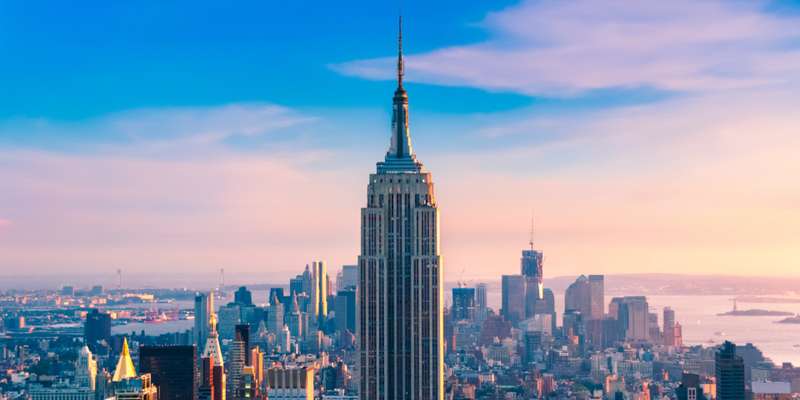
Prioritizing must-see attractions to avoid FOMO
The first step in efficiently visiting multiple New York attractions is to prioritize your must-see locations. New York is packed with iconic sites, but trying to see them all in one day is a recipe for burnout. Focus on attractions that are geographically close to each other, such as Times Square, Rockefeller Center, and Central Park, which can be explored in a single morning. Midtown Manhattan offers the highest concentration of famous landmarks within walking distance. Consider what experiences matter most to you—whether it's the skyline views from Top of the Rock, the artistic treasures at MoMA, or the historic grandeur of Grand Central Terminal. Local experts suggest choosing no more than 4-5 major attractions for a one-day itinerary, allowing 1-2 hours per site including travel time between locations. This focused approach prevents the common mistake of over-scheduling that leaves visitors exhausted and disappointed.
View all Tours
Smart route planning to minimize backtracking
Efficient route planning is the secret weapon for covering more ground in less time. Start your day early in Lower Manhattan to visit the Statue of Liberty and 9/11 Memorial before crowds peak, then work your way uptown via subway. The MTA's unlimited MetroCard is a cost-effective way to hop between neighborhoods without wasting time in traffic. Many visitors don't realize that certain subway lines connect major attractions faster than taxis during peak hours. For example, the 1 train runs express from Times Square to the American Museum of Natural History on the Upper West Side. Local New Yorkers recommend walking north-south routes whenever possible, as the city's grid layout makes navigation straightforward. A well-planned route can save you 2-3 hours of unnecessary travel time compared to zigzagging across boroughs.
UPDATES FOR YEAR 2026
New York Transit and Booking Shifts: Navigating OMNY, Tolls, and Timed Entry
The transit landscape of New York has undergone its most significant shift in decades. The traditional MetroCard has been fully replaced for new users by the OMNY contactless system; you can now tap any contactless card or mobile wallet at every subway turnstile and bus for a $3 fare. OMNY also automatically applies a $35 weekly fare cap, providing unlimited travel after your 12th ride within a seven-day period. This digital transition is critical for efficiency, as Manhattan’s new Congestion Relief Zone now applies a $9 toll to passenger vehicles entering below 60th Street, leading to significant surcharges for taxis and Ubers. To move faster and cheaper, prioritize the subway or the NYC Ferry, which recently launched a 2-Day Unlimited ticket. Additionally, timed-entry is now mandatory for almost every major attraction—including the Statue of Liberty, the Empire State Building, and the recently reopened Vessel—meaning spontaneous visits are virtually impossible. Secure your digital time slots at least three weeks in advance to avoid the logistics traps that now catch unprepared visitors.
View all Tours
Timing strategies to beat the crowds
Strategic timing can make the difference between seeing three attractions or six in a single day. Most tourists follow similar schedules, arriving at popular sites between 10am-2pm. By starting your day at 8am and visiting bucket-list locations like the Empire State Building first, you'll encounter shorter lines and better photo opportunities. Lunchtime is ideal for less crowded indoor attractions like the New York Public Library or Grand Central Terminal. Many museums offer extended hours on specific evenings—the MET stays open until 9pm on Fridays, perfect for a post-dinner cultural visit. Local residents know that sunset is the golden hour for observation decks, when you can enjoy both daylight and sparkling city lights in one visit. These timing tricks, honed by NYC regulars, help you experience more while avoiding the worst of the midday crowds.
View all Tours
Combining free sights with premium experiences
Balancing free attractions with ticketed ones maximizes both your budget and your time. New York offers incredible free experiences like the Staten Island Ferry (with skyline views rivaling paid boat tours) and the High Line park that can be combined with premium attractions nearby. Purchase timed-entry tickets in advance for must-see paid attractions like Top of the Rock or One World Observatory to avoid wasting half your day in ticket lines. Many visitors don't realize that combo tickets for multiple attractions often include skip-the-line privileges and can be more economical than individual purchases. The NYC Explorer Pass offers flexibility to choose 3-10 attractions with mobile entry. This approach lets you enjoy quintessential New York moments—from people-watching in Bryant Park to champagne toasts on observation decks—without the stress of last-minute planning or blown budgets.
View all Tours
FAQ 2026
Do I still need a MetroCard to use the New York subway in 2026?
No, the MetroCard has been officially phased out in favor of the OMNY system. In 2026, you can simply tap your contactless credit card, smartphone, or a rechargeable OMNY card at any subway or bus entrance for a $3 fare.
How does Manhattan congestion pricing affect travelers in 2026?
In 2026, vehicles entering Manhattan south of 60th Street are subject to a $9 daily toll. This makes taxis and rideshares more expensive and potentially slower due to new traffic patterns, so using the subway is the most efficient way to travel between attractions in this zone.
Are timed-entry reservations mandatory for NYC attractions in 2026?
Yes, most major NYC landmarks, including the Statue of Liberty, 9/11 Museum, and the Vessel, require timed-entry reservations in 2026. It is essential to book these digital tickets 2–4 weeks in advance to secure your preferred time slots.
Written by New York Tours Editorial Team & Licensed Local Experts.
Last updated: 24/02/26
