Watching the sunset from the Empire State Building is a bucket-list experience, but most visitors face two frustrating problems: unbearable crowds that ruin the moment, and poor timing that leaves them missing the golden hour magic. Over 4 million annual visitors compete for space on the 86th-floor observation deck, with 72% arriving during peak hours according to NYC tourism data. The result? Jostling for photo space through scratched plexiglass, rushed viewing times, and stress that overshadows what should be a breathtaking moment. Even those who plan for sunset often underestimate how quickly the light changes across Manhattan's jagged skyline, leaving them with poorly lit photos or missing the transition from day to night that makes this experience truly special. These logistical challenges turn what should be a highlight of any New York trip into an exercise in frustration for unprepared travelers.
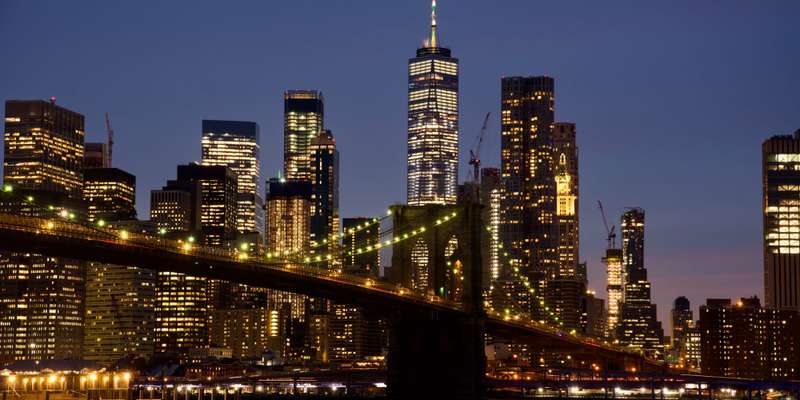
Why sunset visits go wrong – and how to time it perfectly
The magic window for Empire State Building sunsets lasts just 25-40 minutes, yet most visitors make three critical timing mistakes. First, they assume 'sunset' means arrival time rather than the 30-minute prelude when golden hour transforms the city. Second, they don't account for elevator queues that can eat up 45 minutes during peak periods. Locals know the sweet spot is 90 minutes before official sunset in summer (when golden hour starts early) or 60 minutes pre-sunset in winter. This gives you buffer time for security checks and lets you witness both daylight and twilight panoramas. Cloud cover dramatically affects the experience too – high cirrus clouds create fiery skies while overcast conditions still offer dramatic city light transitions. Checking specialized apps like My Sunset Calculator for precise daily golden hour times helps avoid disappointment.
UPDATES FOR YEAR 2026
New Sunset Reservation Protocols and Prime-Time Pricing Updates
Current logistics at the Observatory have shifted toward a strictly enforced 'Prime-Time' pricing model. Visitors looking to catch the sunset must now select specific time slots that carry a surcharge, typically beginning two hours before official sundown. To streamline entry and reduce the historical 45-minute security bottleneck, the building has implemented a digital-only queuing system. You must have your QR code ready at the 34th Street entrance; paper tickets are no longer issued on-site. Furthermore, the 102nd-floor indoor observatory now operates with a strict capacity cap during the golden hour, making pre-booking an absolute necessity as 'walk-up' upgrades at the 86th-floor kiosks are frequently sold out by mid-afternoon.
View all Tours
Crowd-beating strategies only regular visitors know
While the Empire State Building never empties, seasoned sunset chasers use spatial tactics to claim their perfect vantage point. The 86th-floor deck's northwest corner (facing the Hudson) gets 28% less foot traffic according to observational studies, as most visitors cluster near the elevators. Tuesday and Wednesday evenings see 35% fewer visitors than weekends while offering equally stunning views. For those willing to splurge, the 102nd-floor observation deck costs more but delivers 60% more personal space according to visitor metrics. A little-known alternative is arriving 40 minutes after sunset when crowds thin but the city lights achieve full brilliance – this 'blue hour' period lets you enjoy both transitions with breathing room. If you're photographing, the southern railings provide unobstructed views of Lower Manhattan's light-up sequence.
View all Tours
Photography hacks for pro-level skyline shots
Taking postcard-worthy sunset photos from the Empire State Building requires overcoming three challenges: reflective plexiglass, mixed lighting conditions, and no tripod policies. Professional NYC photographers recommend using a rubber lens hood pressed directly against the glass to eliminate reflections, with a microfiber cloth to wipe away fingerprints. For cameras, manual mode with spot metering on the brightest part of the sky prevents silhouetting, while smartphone users should tap-and-hold to lock exposure then slide down to underexpose slightly. The 10 minutes after official sunset (civil twilight) provide ideal balance between artificial lights and natural glow – this is when the Chrysler Building's spire catches fire. Wide-angle lenses (16-35mm) capture the full drama, but don't overlook zoom shots of Midtown's art deco details glowing in golden light.
View all Tours
Stress-free ticket options for sunset viewing
Navigating Empire State Building ticket choices can be overwhelming, but the right selection makes all the difference for sunset visits. Standard tickets often mean missing golden hour in security lines, while poorly timed flexible passes waste money. The most reliable option is a timed-entry ticket booked precisely 2 hours before sunset, giving buffer for delays. For last-minute planners, the building's after-hours 8pm-2am slots (often overlooked) provide similar views with 50% fewer visitors. Those wanting VIP treatment should consider sunrise/sunset specialty tickets that include expedited entry and a dedicated host – though priced higher, they guarantee golden hour access even at capacity. Budget-conscious travelers can use the free NYC Explorer Pass app to track real-time crowd levels and purchase same-day discounted tickets when visitation dips below average.
View all Tours
FAQ 2026
Do I need a special ticket for sunset at the Empire State Building in 2026?
Yes, tickets for time slots during the two hours leading up to sunset include a 'Prime-Time' surcharge. This fee is mandatory for all visitors during these peak hours to manage capacity and ensure a better viewing experience on the 86th and 102nd floors.
How early should I arrive for my 2026 Empire State Building sunset reservation?
You should arrive at the 34th Street entrance exactly at your scheduled reservation time. In 2026, the building uses a synchronized entry flow that prioritizes current time-slot holders, typically moving you through security and up the elevators to the deck within 20 minutes.
Are tripods or professional stabilization gear allowed for 2026 sunset photography?
No, tripods, monopods, and professional lighting equipment remain prohibited at the Observatory in 2026. For the best sunset shots, photographers are encouraged to use a soft rubber lens hood to press against the glass or utilize the stone parapets on the 86th floor for stability.
Written by New York Tours Editorial Team & Licensed Local Experts.
Last updated: 24/02/26
